Record Management System (RMS)
Year
2024
Client
Confidential Client
Work type
UIUX Designer
Executive Summary
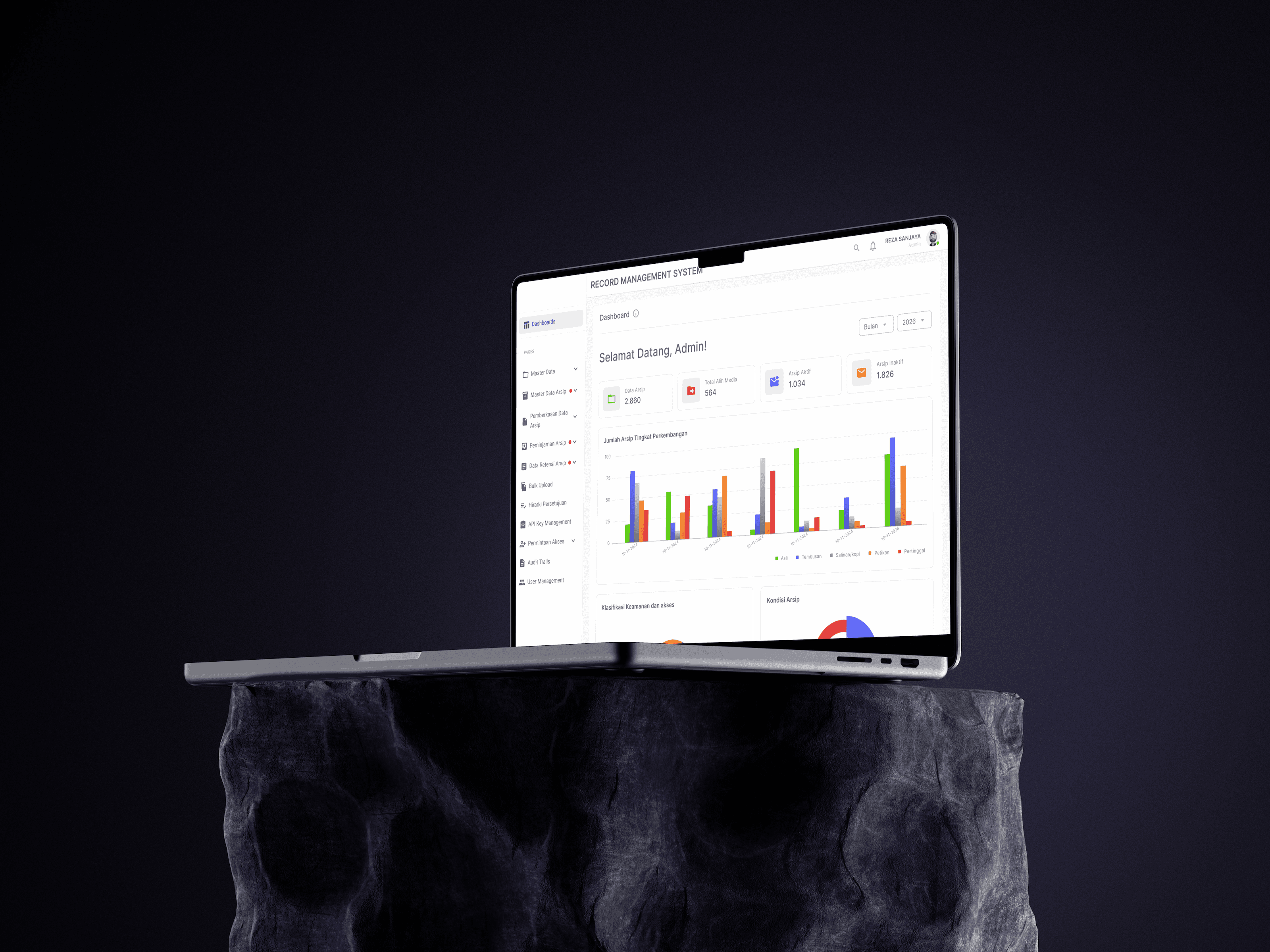
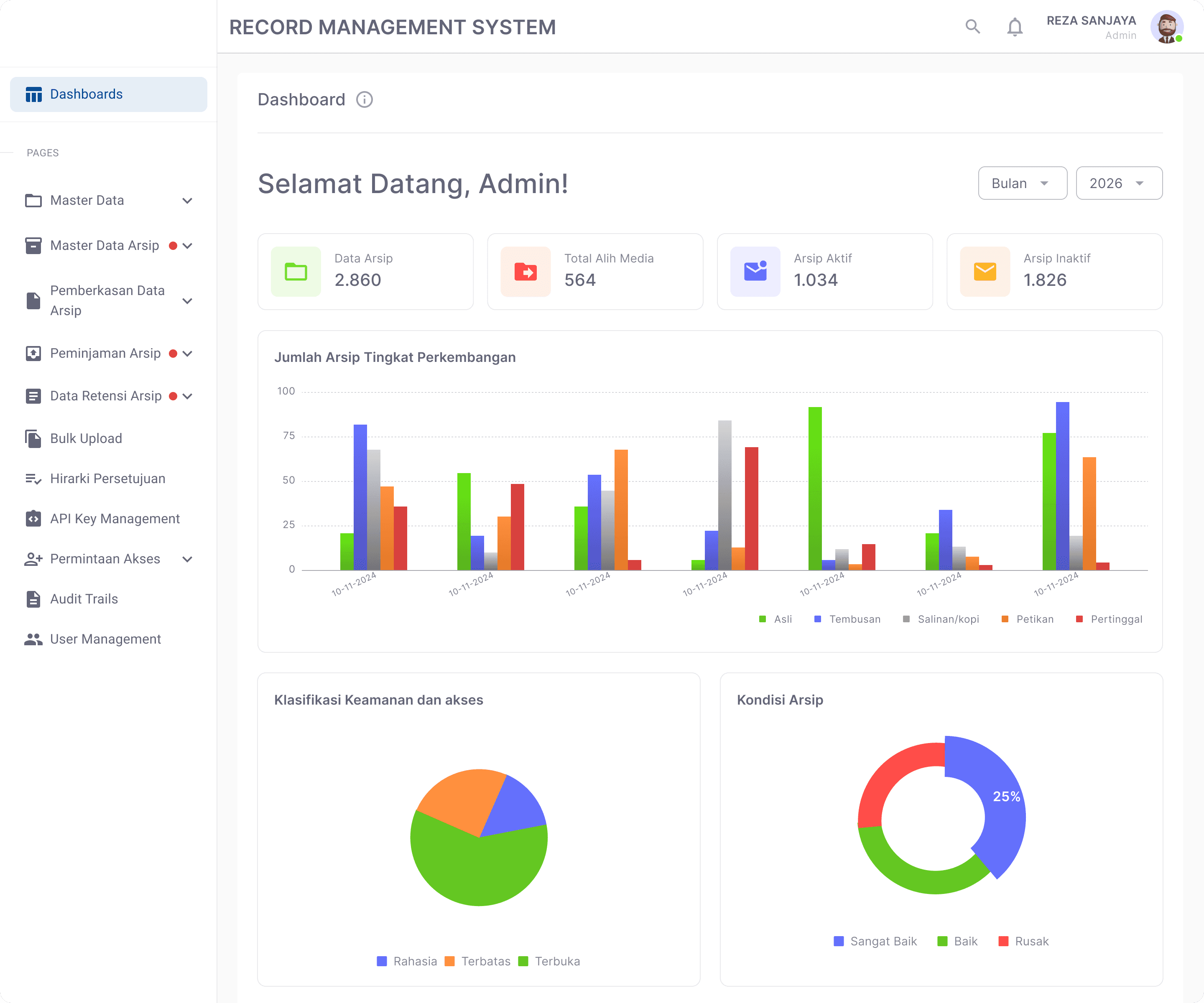
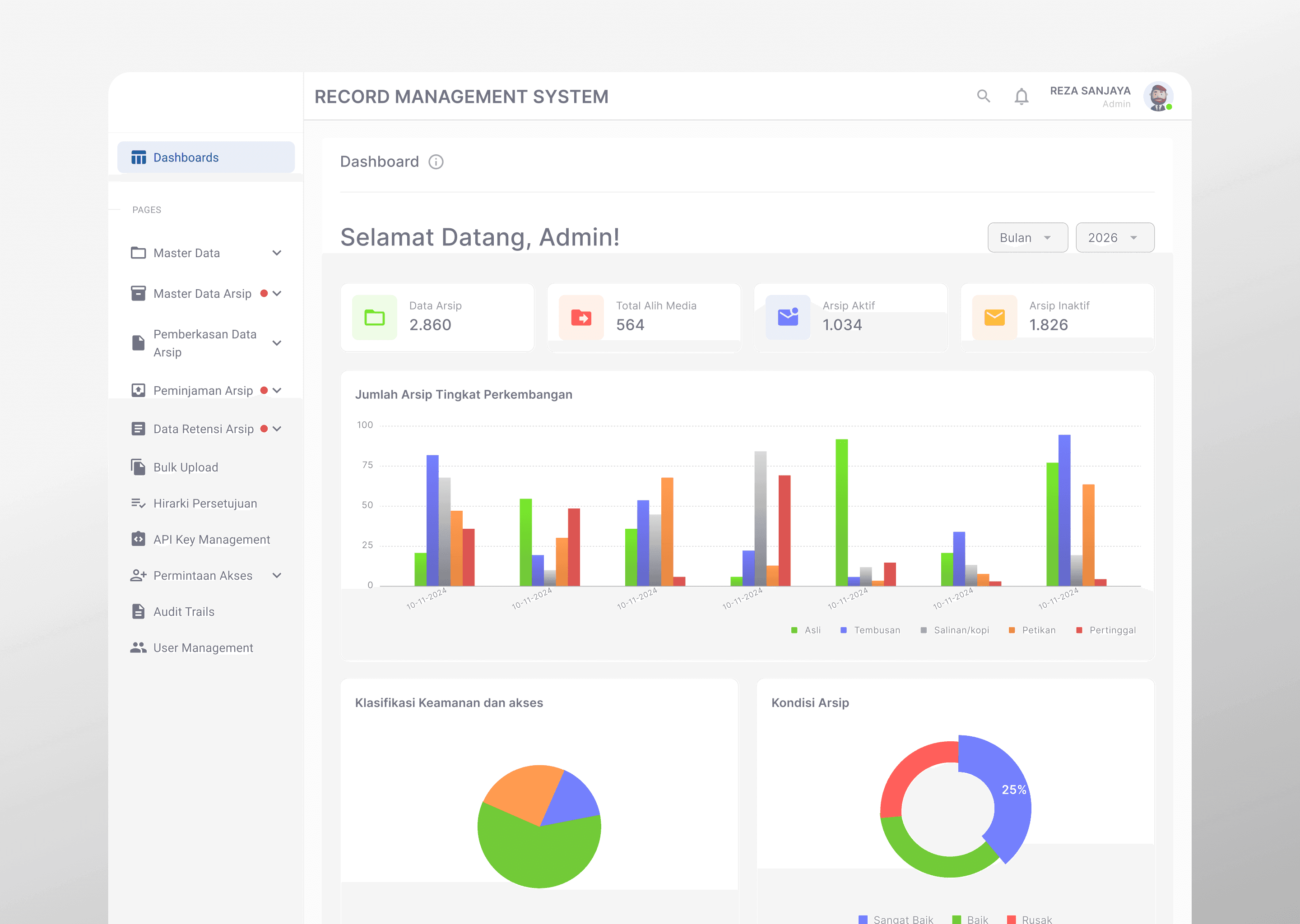
The Record Management System (RMS) is an enterprise platform designed to digitize the entire lifecycle of corporate records management, from the recording of incoming records to the retention process (transfer and destruction). This system replaces manual processes with secure, structured, and accountable digital workflows. As a UI/UX Designer, I was responsible for translating complex technical requirements into clean and functional interfaces, ensuring that every document could be managed with high precision.
The Challenge
The main challenge in this project was designing a system capable of handling a massive volume of archived data across diverse categories. The system had to accommodate a highly dynamic approval hierarchy based on departments and job titles, while ensuring data security through strict access controls.
Design Process
Aligning Requirements & Visual Standardization
Strategic Briefing & Flow Mapping:
The design process begins with an in-depth briefing session where the Product Manager (PM) explains the user flow directly. This explanation is based on the results of user requirement analysis, ensuring that every transition between modules in the system truly reflects solutions to the operational challenges faced in the field.
Implementation of the Materialize Design System:
To maintain web application development efficiency and ensure interface consistency, the system is built using the Materialize Design System. The selection of this component library enables the creation of a clean, responsive, and easily implementable interface by the development team in accordance with the technology standards used.
Remote Collaboration & Progressive Iteration:
Since the project was conducted entirely remotely, coordination was carried out intensively via Microsoft Teams. Daily discussions and regular progress updates were key to aligning understanding between the PM and designers, enabling design iterations to be carried out quickly and accurately in line with user expectations.
Key Feature
Key Features & UX Solutions
Archive Master Data
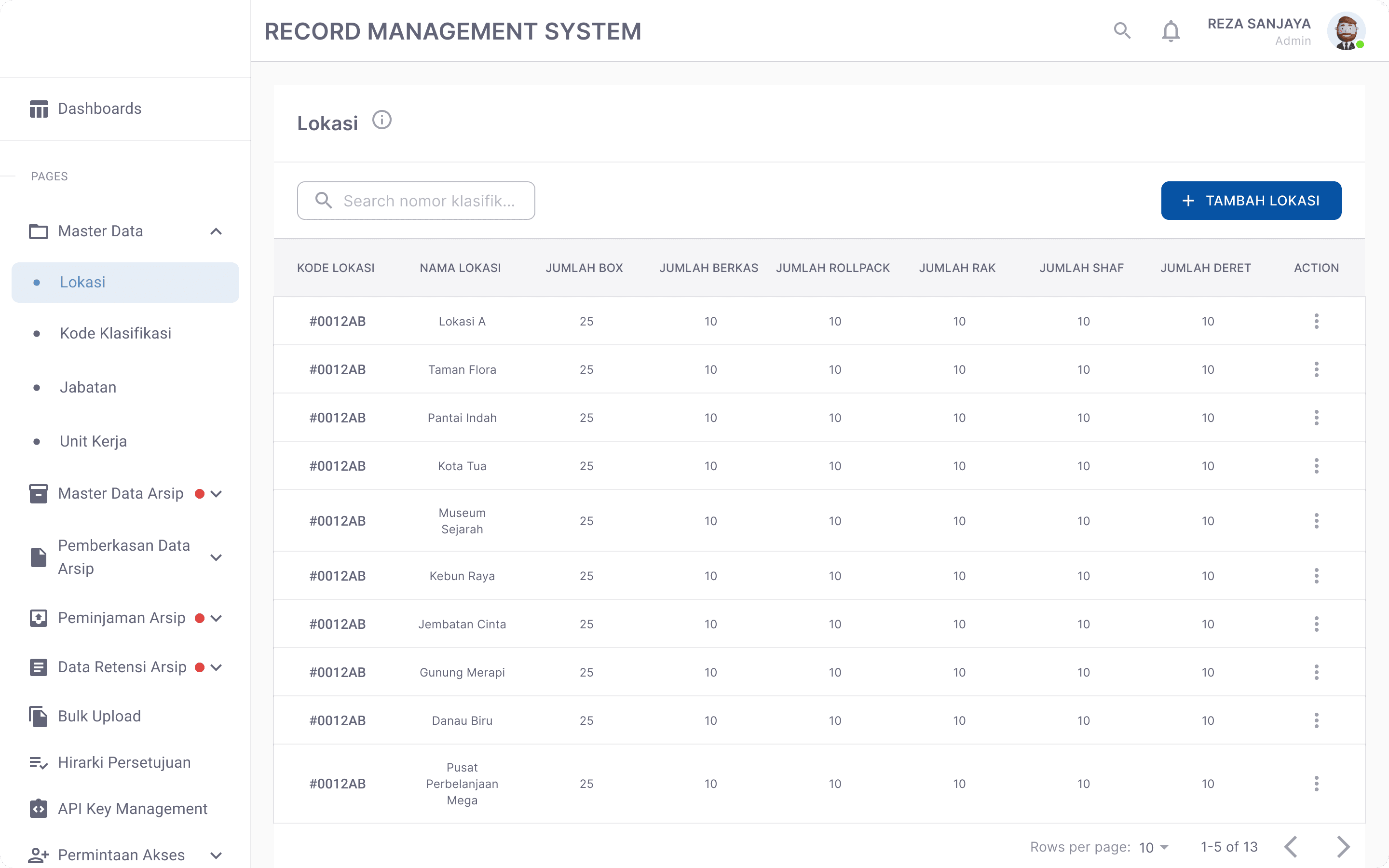
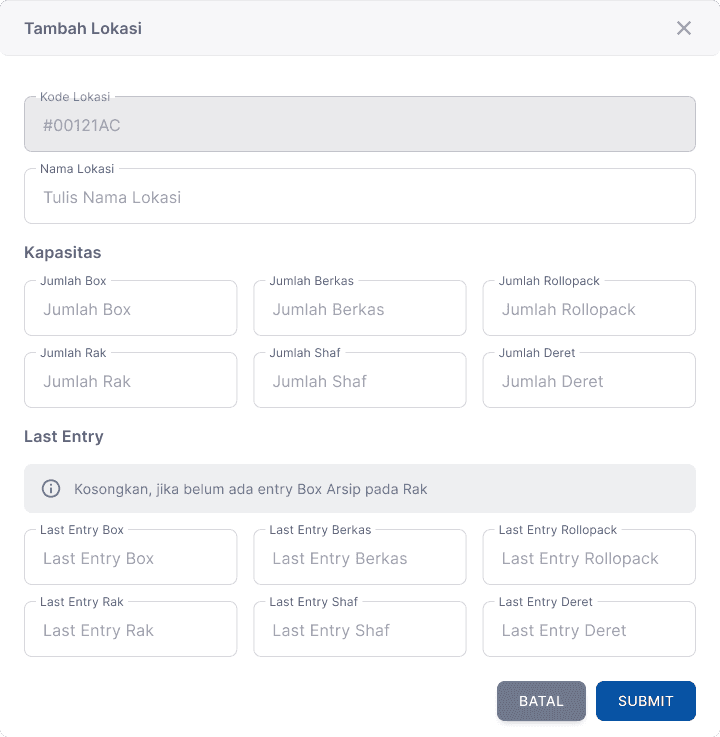
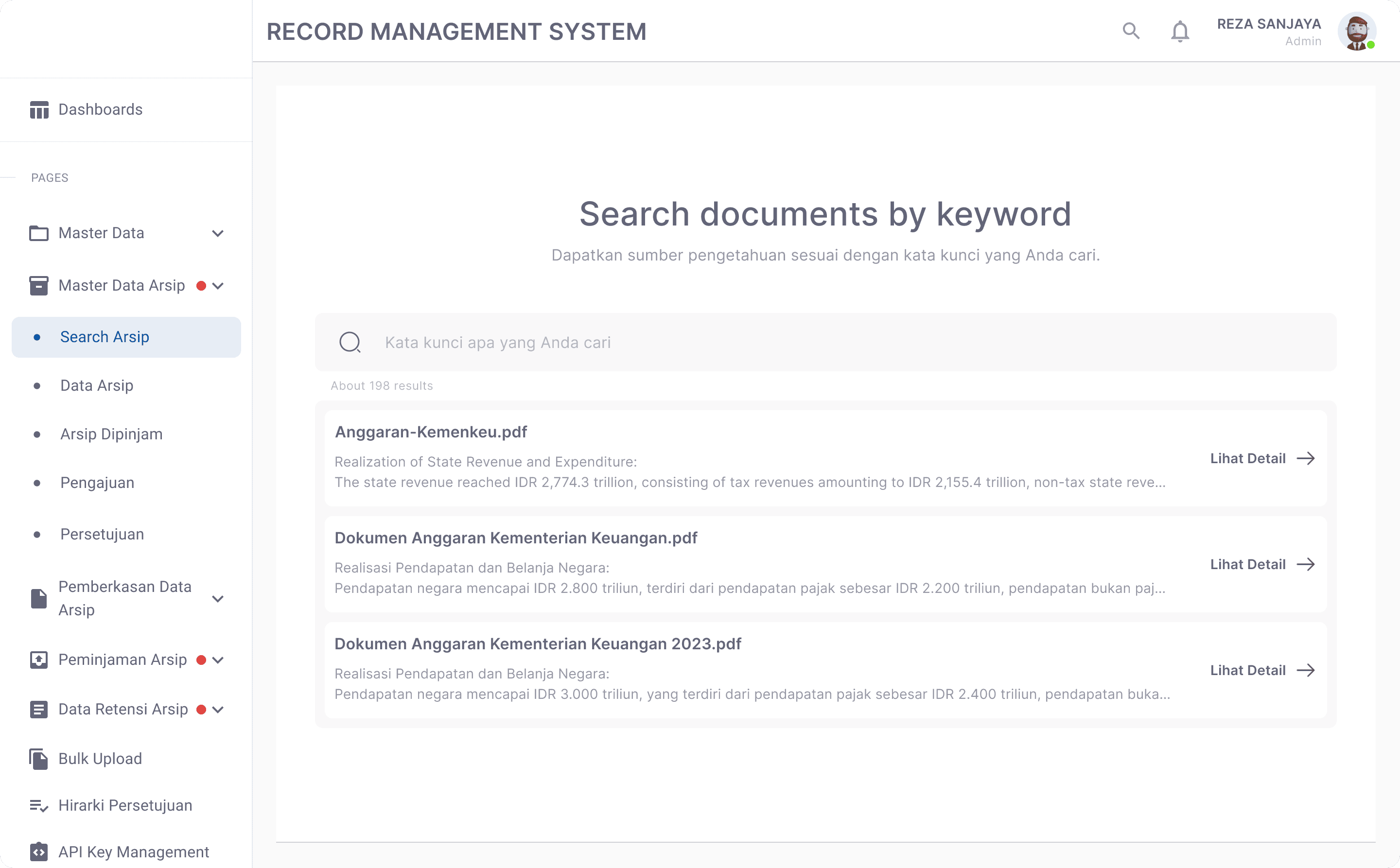
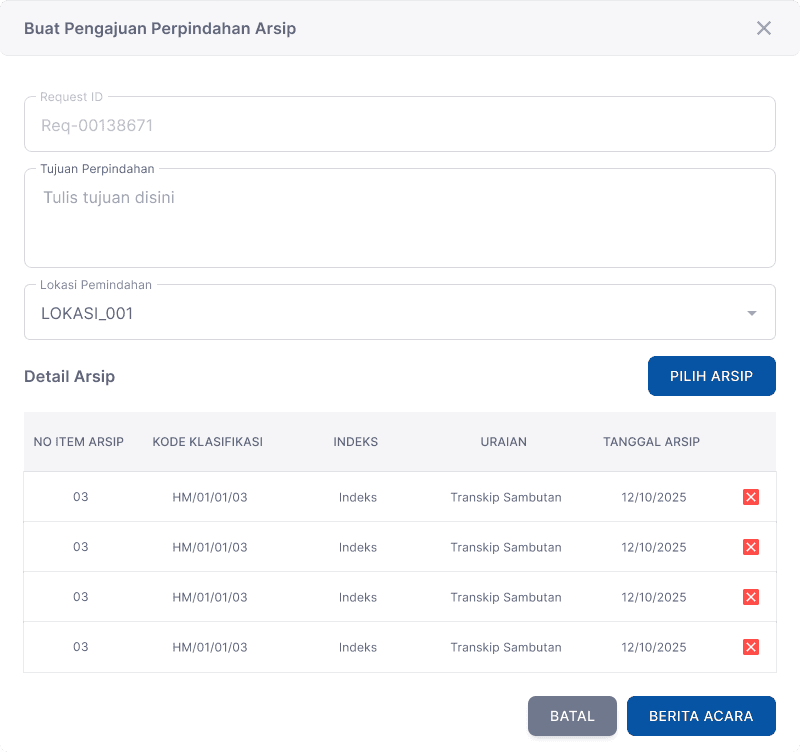
This feature is the core of the system for managing all archive data, whether classified or still unclassified. Users can record document details, perform quick searches, and centrally manage archive metadata, ensuring that all company information assets are neatly documented and easily retrievable.
Records Retention Management
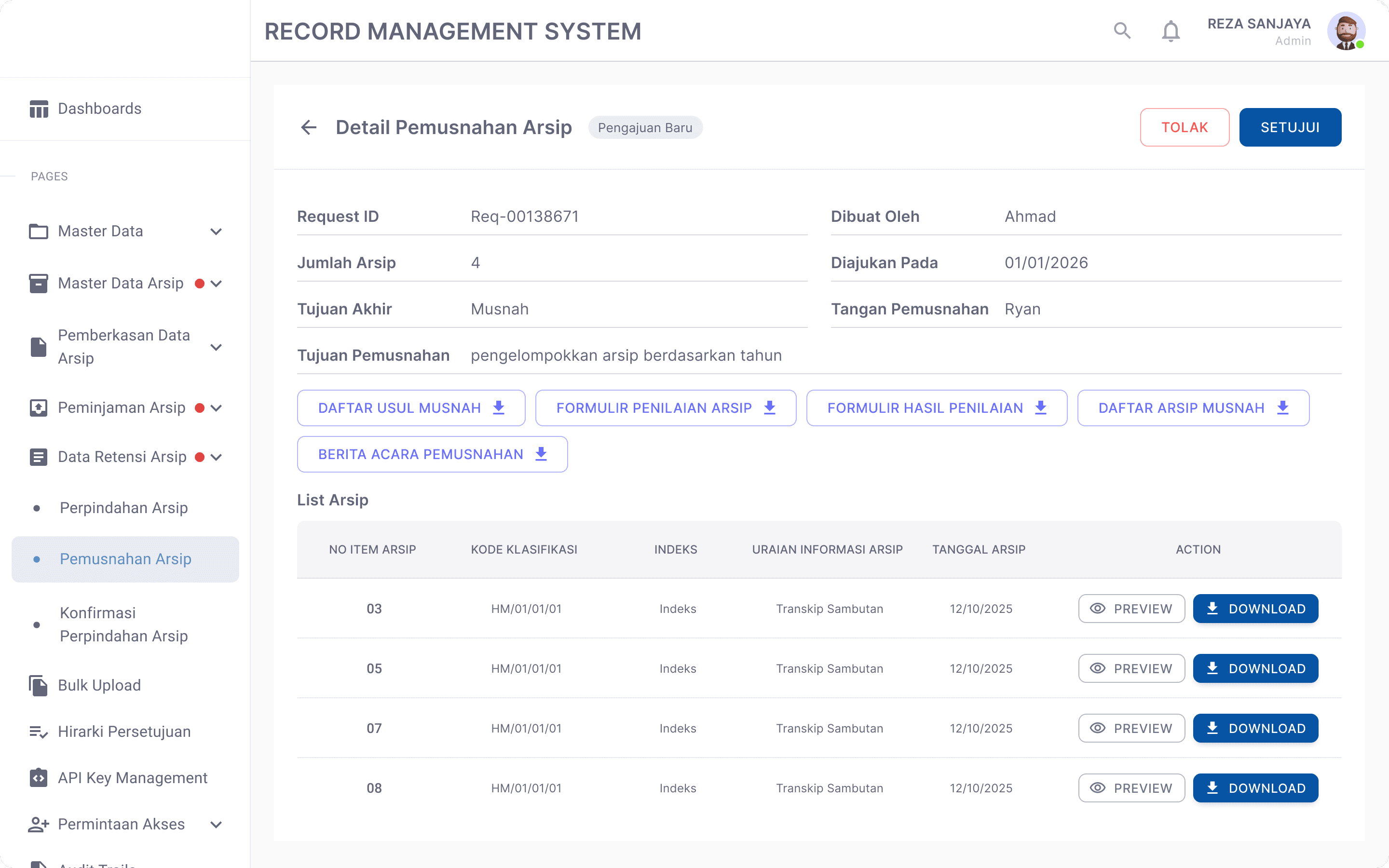
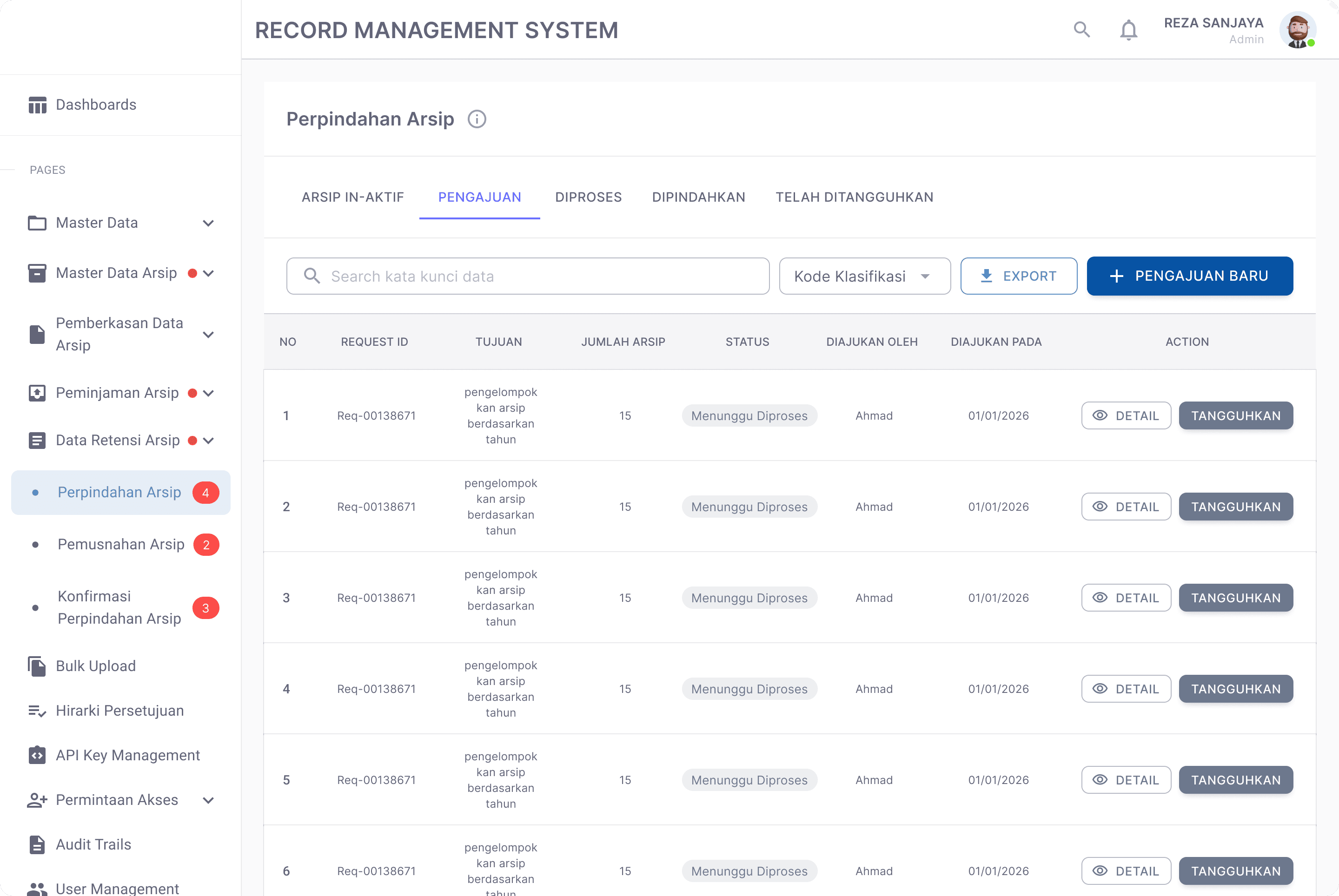
This module handles the end-of-life cycle of documents, covering the processes of transferring and destroying records according to a predetermined schedule. The interface design focuses on transparency regarding retention status, allowing relevant teams to monitor which documents need to be transferred or destroyed in accordance with legal policies and corporate compliance.
User Management, Roles, & Access
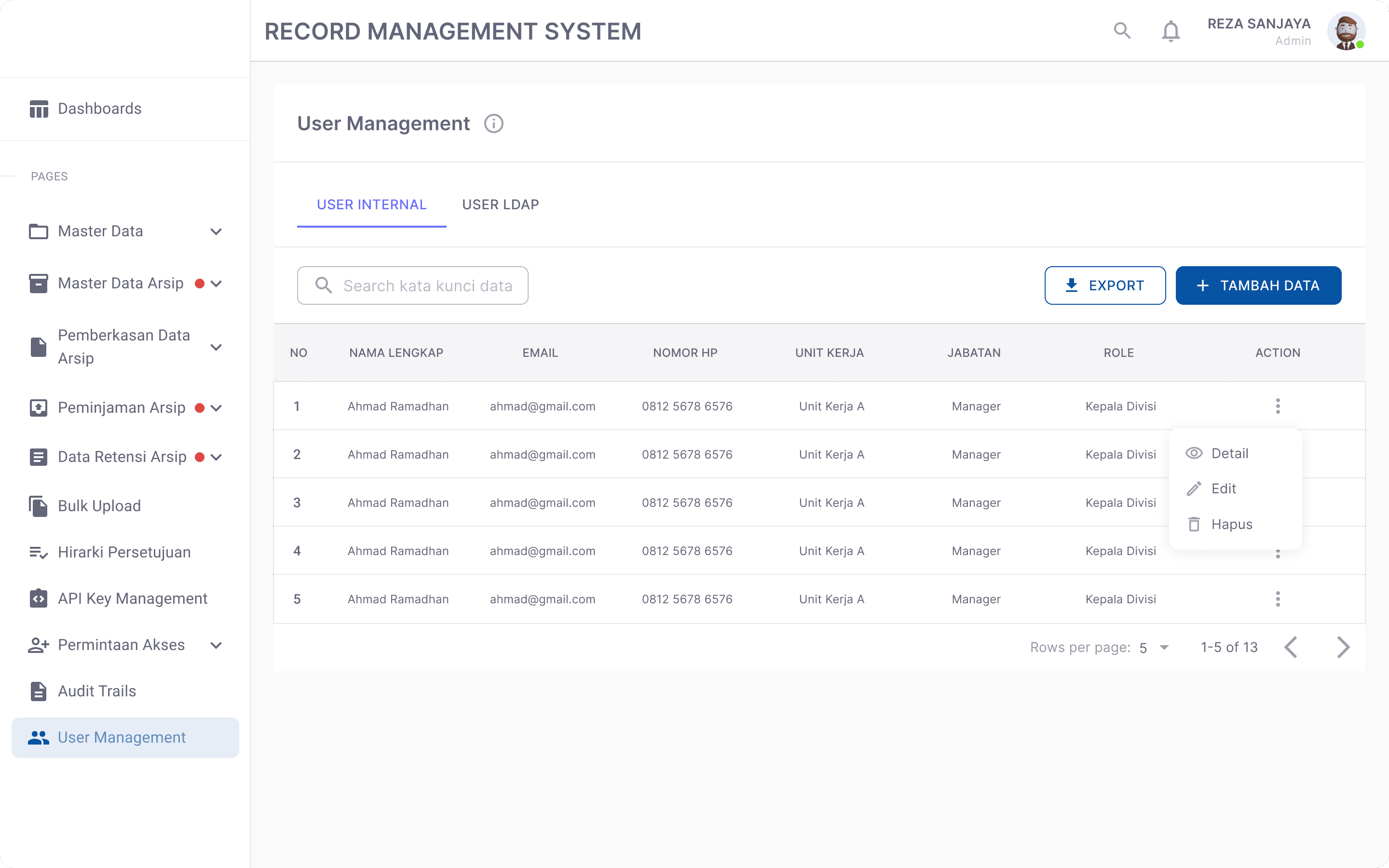
To ensure data security, this feature provides full control over who can access the system and their access permissions. Administrators can add new users, assign roles, and configure module-specific permissions, ensuring that sensitive information is accessible only to authorized personnel.
Approval Hierarchy
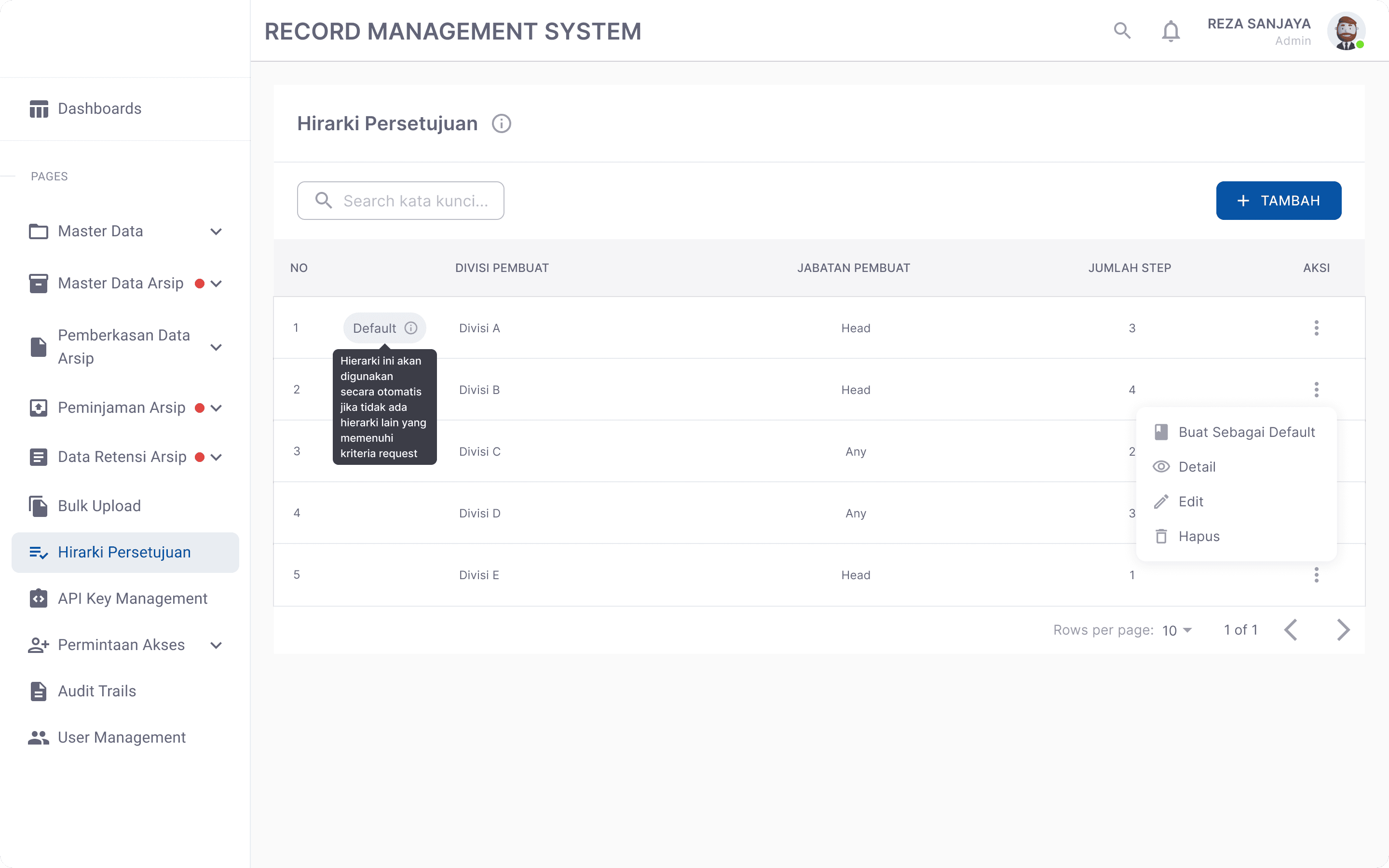
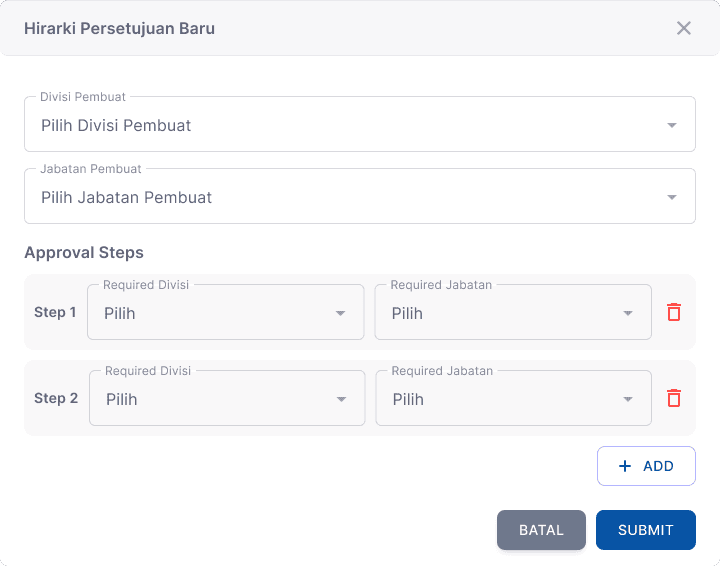
This system is equipped with a highly flexible approval hierarchy configuration module based on the division and position of the document creator. I designed a dynamic approval workflow, allowing administrators to specify the order of reviewers and approvers for each type of request or new document submitted.
Reporting & Audit Log
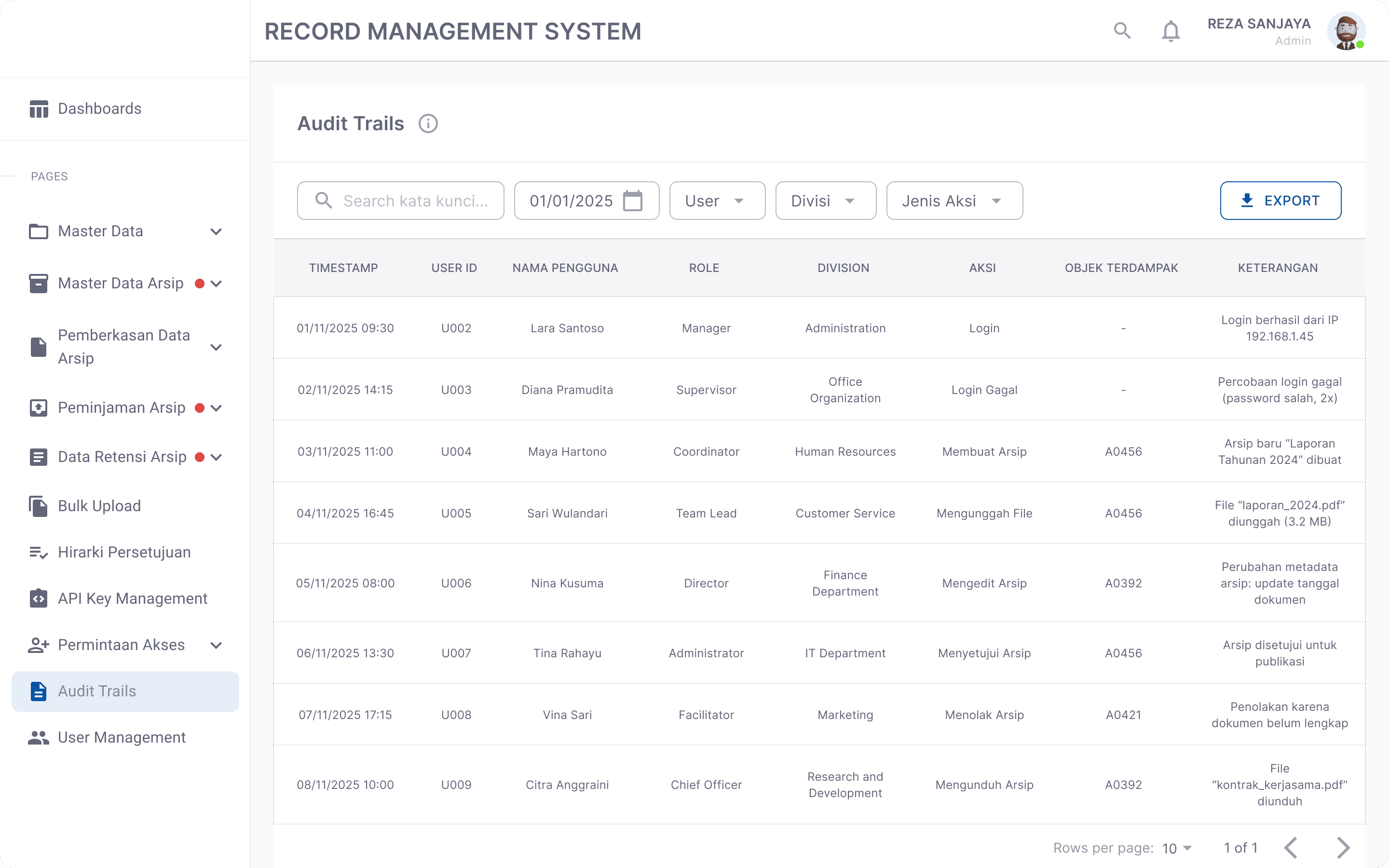
The reporting feature provides management with full visibility into document management activities across the entire organization. Additionally, the system records every user action through an immutable audit log, providing a clear audit trail for internal audit needs and ensuring accountability at every stage of document management.
Final Outcome
The implementation of the Record Management System (RMS) has successfully established a comprehensive digital records management infrastructure, covering the entire document lifecycle—from the recording of Master Record Data to the automation of Retention Management for document transfer and disposal processes. The introduction of a dynamic Approval Hierarchy feature is a key achievement, as the system is able to automate multi-tiered approval workflows according to the user’s division and position, thereby eliminating manual bureaucratic hurdles and ensuring that every action taken regarding records has valid and measurable validation.
Operationally, this product significantly enhances data transparency and security through the Audit Log feature, which records every user activity in real-time. With a strict User Management & Role Access system, the company now has full control over the integrity of corporate information, enabling faster bulk document searches and more accurate compliance with archival retention standards. The end result is a centralized platform that not only improves administrative efficiency but also strengthens the long-term accountability of corporate document management.